Our Short List of 3

- Best for: Neglected engines with years of baked-on oil and grease.
- Format: 15 oz aerosol can
- Model: EB1
- Directions per listing: spray on, dwell 10 to 15 minutes, hose off
- UPC: 078698217871

- Best for: Modern engine bays with plastic covers, AC lines and brake lines you want to protect.
- Item volume: 16.9 fl oz
- Item form: Liquid
- Model number: 543200-755
- Formula: phosphate and solvent-free
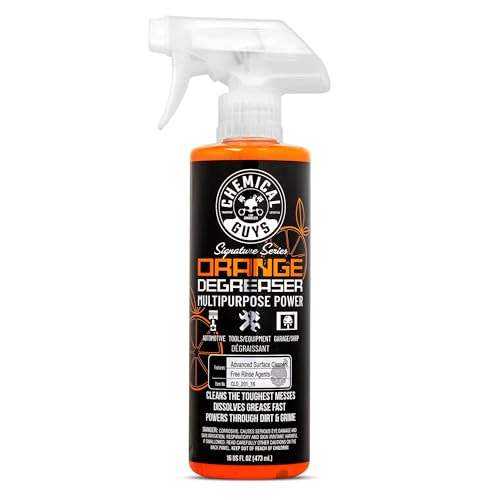
- Best for: Detailers who want one bottle for the bay, tires and tools.
- Size: 16 fl oz (473.2 ml)
- Model: CLD_201_16SW
- Base: citrus extracts with hyper surfactants
- Dilution per listing: 20:1 light, 10:1 heavy, full strength for the toughest jobs
All 5 Picks at a Glance
| Product | Specs | Action |
|---|---|---|
| GUNK Engine Brite Original Heavy Duty Engine Degreaser |
| Check price on Amazon |
| SONAX Heavy Duty Engine Degreaser |
| Check price on Amazon |
| Chemical Guys Signature Series Orange Degreaser |
| Check price on Amazon |
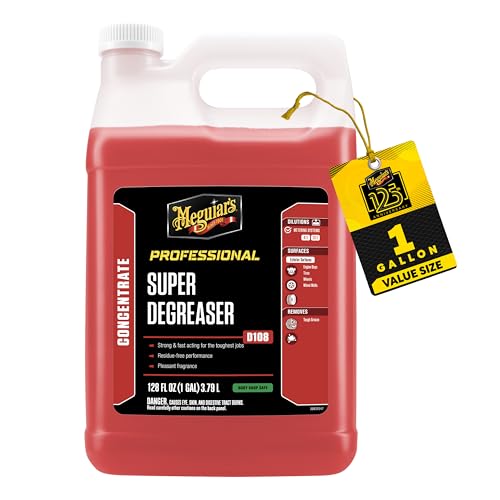 Meguiar’s Super Degreaser D10801 |
| Check price on Amazon |
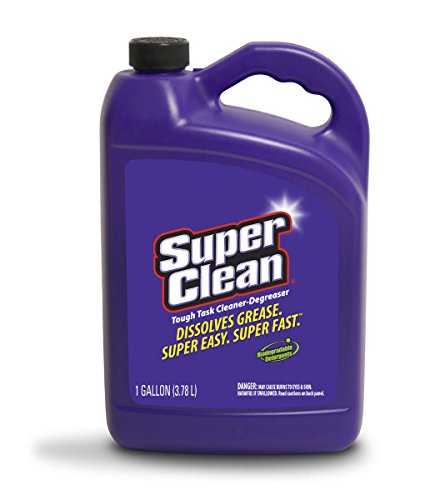 SuperClean 101723 Cleaner and Degreaser |
| Check price on Amazon |
Key takeaways
- Five engine degreasers compared by chemistry and format: a solvent aerosol, a citrus spray and gallon concentrates, with listed sizes and dilution.
The real decision with a heavy duty engine degreaser is how aggressive the chemistry needs to be for the soil in front of you. A neglected bay with oil baked around the block and valve covers calls for a solvent aerosol or a strong concentrate, while a dusty late-model bay full of plastic covers and rubber lines punishes that same strength. Format matters just as much: a ready-to-use can suits a single cleanup, but a gallon concentrate you dilute yourself suits repeated work.
This roundup is for owners reviving an older engine before repair work, home detailers maintaining two or three vehicles, and small-shop users who clean bays every week. Every pick below was chosen from the name and specifications on its Amazon listing: container size, format, stated dilution range and the surfaces the maker lists as safe. Where a listing stays silent on a detail, this guide leaves it out rather than guessing.
Quick Picks
As an Amazon Associate we earn from qualifying purchases
| Product | Best for | Key spec from title |
|---|---|---|
| GUNK Engine Brite Original | Neglected, oil-baked engines | 15 oz aerosol can |
| SONAX Heavy Duty Engine Degreaser | Modern bays with plastic covers | 16.9 fl oz, phosphate and solvent-free |
| Chemical Guys Signature Series Orange Degreaser | One bottle for bay, tires and tools | 16 oz citrus concentrate |
| Meguiar’s Super Degreaser D10801 | Frequent cleaning, pro use | 1 gallon, residue-free formula |
| SuperClean 101723 | Engine plus garage and home jobs | 1 gallon, dilutes up to 16:1 |
How to Choose
Match the chemistry to the soil
Degreasers cut grease in different ways, and the listing usually names the family. Solvent aerosols such as the GUNK EB1 dissolve baked-on oil on contact and suit engines that have leaked for years. Citrus formulas lean on orange extracts and surfactants, which makes them friendlier for routine bays, tires and tools. Strong alkaline concentrates are the shop end of the scale and demand careful dilution. A phosphate and solvent-free water-based formula, like the SONAX listing describes, trades raw bite for safety around mixed materials. Read the family first, then judge strength.
Decide between ready-to-use and concentrate
A 15 or 16 ounce ready-to-use bottle is the honest size for one engine bay: nothing to mix, nothing to store, and the maker has already set the strength. Concentrates flip that logic. A gallon jug from Meguiar’s or SuperClean asks you to dilute it in a separate spray bottle, and in exchange one jug covers many cleanups and lets you mix a stronger batch for a filthy bay or a weaker one for maintenance. The catch is discipline: an unlabelled bottle of unknown strength is how aluminum gets stained, so mark every mix with its ratio and date.
Check surface compatibility before strength
Modern engine bays mix cast metal with plastic covers, rubber hoses, painted brackets and exposed wiring, and not every degreaser treats them equally. The SONAX listing states safe use on metal, plastic and rubber and says it will not stain or discolor AC lines, brake lines or plastic covers. Other listings are narrower: the Meguiar’s gallon is marked for exterior use only, and strong concentrates can dull bare aluminum or painted parts when mixed too hot or left to dry. Match the listing’s named surfaces against what is actually under your hood before you spray anything.
Plan the dwell time and the rinse
Every formula here works on a clock. The GUNK listing directs a 10 to 15 minute dwell before hosing off, the Chemical Guys citrus spray caps its dwell at about five minutes and warns against letting it dry, and foaming formats buy extra time because the foam clings to vertical faces instead of running off. Plan the rinse before you start: a gentle hose stream, not a pressure jet, and bags or film over the alternator, intake opening and exposed connectors. A degreaser only performs as well as the rinse that follows it.
The 5 Best Options
GUNK Engine Brite Original Heavy Duty Engine Degreaser
- Best for: Neglected engines with years of baked-on oil and grease.
- Format: 15 oz aerosol can
- Model: EB1
- Directions per listing: spray on, dwell 10 to 15 minutes, hose off
- UPC: 078698217871
Neglected engines with years of baked-on oil and grease.
Solvent formulas are the harshest here; keep it off painted surfaces and work where runoff is acceptable.
The EB1 is the old-school answer to an engine that has been weeping oil for years: a solvent aerosol in a 15 ounce can, built to soften baked deposits so a hose can carry them away. Its listing directs a 10 to 15 minute dwell, which gives the solvent time to work into the film around valve covers, the block and the oil pan before rinsing. Pick it when the bay is genuinely neglected and gentler water-based sprays have already failed you, and when you can work outdoors with room for runoff.
SONAX Heavy Duty Engine Degreaser
- Best for: Modern engine bays with plastic covers, AC lines and brake lines you want to protect.
- Item volume: 16.9 fl oz
- Item form: Liquid
- Model number: 543200-755
- Formula: phosphate and solvent-free
Modern engine bays with plastic covers, AC lines and brake lines you want to protect.
The 16.9 oz bottle empties quickly on a large or very dirty bay.
SONAX takes the opposite route: a water-based liquid with no phosphates and no solvents, in a 16.9 ounce bottle aimed at bays full of parts you cannot replace cheaply. The listing states it is safe on metal, plastic and rubber and will not stain or discolor AC lines, brake lines or plastic covers, which is exactly the mix under a modern hood. It targets oil, dirt and buildup on engines, machine tools and assembly parts, so one bottle also covers the workbench.
Chemical Guys Signature Series Orange Degreaser
- Best for: Detailers who want one bottle for the bay, tires and tools.
- Size: 16 fl oz (473.2 ml)
- Model: CLD_201_16SW
- Base: citrus extracts with hyper surfactants
- Dilution per listing: 20:1 light, 10:1 heavy, full strength for the toughest jobs
Detailers who want one bottle for the bay, tires and tools.
The listing carries corrosive safety warnings; wear gloves and eye protection and spot-check delicate finishes first.
The Orange Degreaser is the flexible bottle in this set: a citrus-based concentrate in a 16 ounce spray bottle that you mix anywhere from 20:1 for light work through 10:1 for a heavy engine bay, up to full strength for the toughest jobs. Citrus extracts and hyper surfactants do the cutting instead of caustic alkalinity, and the listed uses run beyond the bay to tires, undercarriages and tools. Its dwell is short, about five minutes, and the listing warns not to let it dry on the surface.
Meguiar’s Super Degreaser D10801
- Best for: Shops and multi-car households that clean engine bays often.
- Size: 1 gallon
- Part number: D10801
- Item form: Spray (per product information)
- Scent: Herbal
Shops and multi-car households that clean engine bays often.
It is a concentrate with no sprayer in the jug; you need your own bottle and a careful mix.
The D10801 gallon is the professional end of this roundup: a full gallon from Meguiar’s detailing line that you dilute into your own spray bottle, so a single jug covers bay after bay. The listing describes a fast acting, free rinsing formula that prevents the white residue stains weaker mixes leave behind, with a herbal scent instead of a chemical smell. It is marked for exterior use only, which fits its role: engines, wheel wells and other outside grime rather than interior plastics.
SuperClean 101723 Cleaner and Degreaser
- Best for: Households that want one gallon for the engine bay, garage floor and equipment.
- Size: 1 gallon (128 fl oz)
- Part number: 101723
- Dilution per listing: full strength for heavy-duty tasks, up to 16:1 for lighter cleaning
- Base: water-based, biodegradable, phosphate free
Households that want one gallon for the engine bay, garage floor and equipment.
It is an all-purpose formula first; on baked engine grease it needs its strongest mix and patience.
SuperClean’s gallon is the generalist: the listing names it a cleaner and degreaser for kitchens, garages and more, and specifically calls out use as an engine degreaser for automotive detailing. The concentrated formula runs at full strength for heavy-duty tasks or diluted as far as 16:1 for lighter cleaning, following the dilution chart printed for different surfaces. It is water-based, biodegradable and phosphate free, which suits owners who clean over a driveway drain. Expect to work at the strong end of the chart on a truly greasy engine.
Which One Fits Your Situation
You are reviving an engine that has leaked for years
Start with the GUNK EB1. Its solvent aerosol and 10 to 15 minute dwell are built for the thick, baked film that collects around valve covers and oil pans, and a single 15 ounce can is the right size for one rescue job. Protect painted and plastic parts nearby, work outdoors, and rinse gently rather than blasting grime into connectors.
Your bay is modern, covered and full of lines
Choose the SONAX. Its phosphate and solvent-free formula is listed as safe on metal, plastic and rubber, and the listing says it will not stain or discolor AC lines, brake lines or plastic covers. That makes it the calm choice for a late-model bay you clean a few times a year, where protecting components matters more than stripping decades of oil.
You want one bottle for the bay, tires and tools
The Chemical Guys Orange Degreaser covers that brief. Its listing names engines, tires, undercarriages and tools, and the mix range from 20:1 to full strength lets one 16 ounce bottle handle a light bay wipe-down on Saturday and a greasy undercarriage on Sunday. Keep the dwell near five minutes and never let it dry on the surface.
You clean several engines a month
Buy a gallon and dilute it yourself. The Meguiar’s D10801 suits the professional rhythm, with a free rinsing formula that leaves no white residue behind, while the SuperClean gallon adds a printed dilution chart and a biodegradable, phosphate free base for mixed shop and home jobs. Either way, label every spray bottle with its mix ratio the day you fill it.
Common Mistakes
- Spraying a hot engine, which flashes the cleaner off before it can work and can stress plastic covers.
- Letting a degreaser dry on the surface; several listings warn against it, and dried concentrate leaves stains.
- Flooding the alternator, intake opening and electrical connectors with a hard hose stream instead of covering them first.
- Mixing a concentrate stronger than the label’s heavy-duty ratio and using it on bare aluminum or painted parts.
- Skipping the dwell time and scrubbing harder, which spreads grease around instead of lifting it.
Frequently Asked Questions
Can I spray engine degreaser on a hot engine?
No. Every direction set here assumes a cool engine. Heat flashes water and solvent off the surface before the chemistry can loosen grease, and it can stress plastic covers and rubber hoses. Park the car, let the bay cool fully, disconnect nothing you cannot reconnect, and cover the alternator and intake before you spray or rinse.
How long should a heavy duty degreaser sit before rinsing?
It depends on the formula, so follow the listing for the bottle in your hand. The GUNK aerosol directs 10 to 15 minutes, the Chemical Guys citrus spray caps dwell at about five minutes and must not dry, and concentrates vary with the ratio you mixed. When in doubt, work in smaller sections and rinse early.
Are solvent degreasers safe on plastic engine covers?
Some are, many are not, and the listing is the only safe guide. The SONAX formula is listed as safe on metal, plastic and rubber and promises not to stain AC lines, brake lines or plastic covers. A solvent aerosol like the GUNK EB1 is aimed at bare, greasy metal, so keep it off covers and painted parts or spot-check first.
Can I use these degreasers outside the engine bay?
Only where the listing says so. The Chemical Guys spray names tires, undercarriages and tools alongside engines, and the SuperClean gallon lists garage and household jobs with engine degreasing for automotive detailing. The Meguiar’s gallon is marked exterior use only. If a surface is not named on the listing, treat it as unapproved and test a hidden spot first.